
How Brands Made Money from the World Cup and How Martech Turned Visibility into Profit
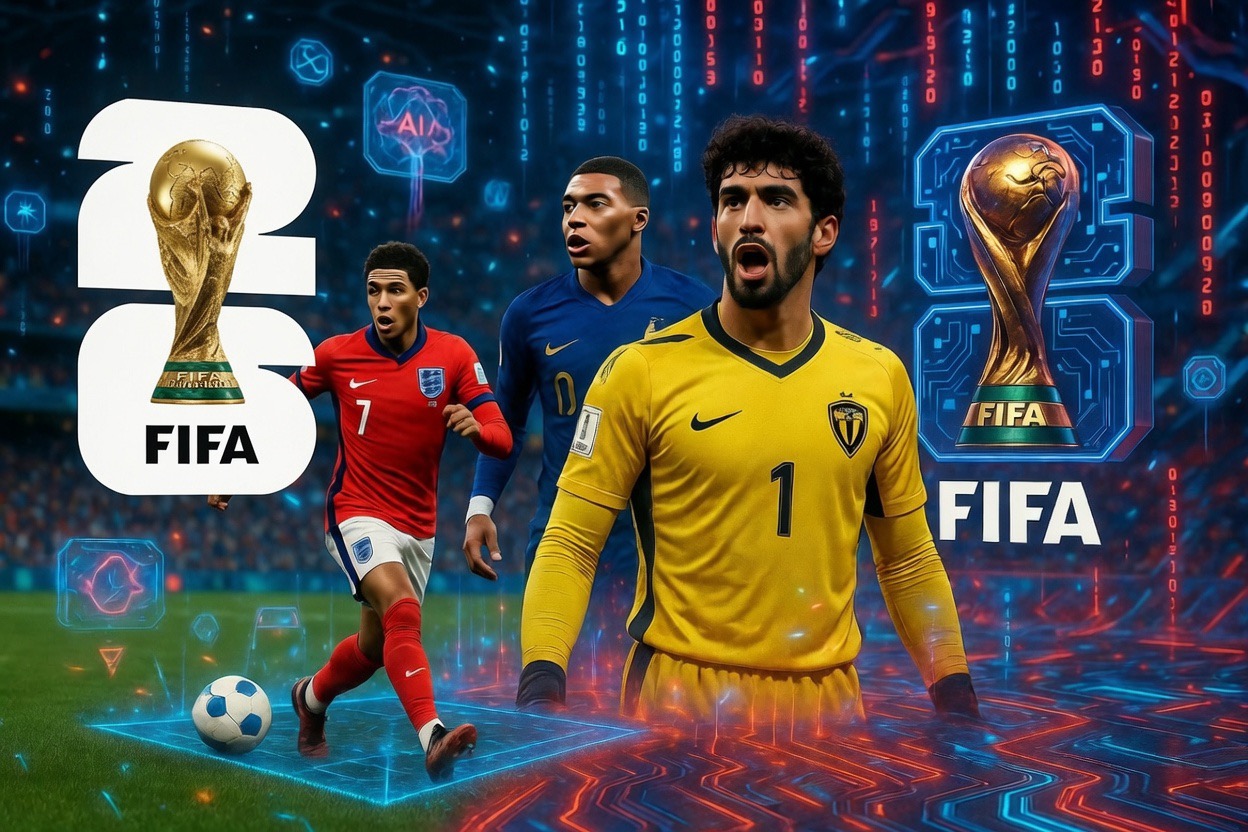 The 2026 FIFA World Cup delivered one of the most lucrative commercial environments in modern sports history. Brands didn’t just benefit from logo placement or broadcast exposure, they unlocked billions in enterprise value through strategic activation, data driven marketing and sophisticated martech ecosystems. Sponsorships have always been a gateway to global visibility, but in 2026, the real financial gains came from how brands activated that visibility using technology.
Official sponsors collectively generated an estimated $61 billion in enterprise value from roughly $2.8 billion in sponsorship investment, a staggering 22× return. This uplift wasn’t evenly distributed. Brands like Lenovo, Kia, Hyundai and Aramco saw the strongest percentage increases in brand value, while Aramco led in absolute gains with more than $1.1 billion added to its brand valuation. Even mid-tier sponsors such as Hisense, DoorDash and Michelob Ultra outperformed expectations, proving that the World Cup’s commercial engine rewards activation quality more than sponsorship tier.
The scale of the tournament itself created fertile ground for brand growth. With 48 teams, 104 matches and 16 host cities, the 2026 World Cup offered unprecedented global reach. FIFA’s sponsorship model guarantees upfront revenue for the organization, but brands carry the responsibility of converting attention into measurable returns. This year, they succeeded at historic levels. The World Cup brand alone is valued at $5.2 billion, with sponsorship contributing $1.9 billion, underscoring how deeply commercial partnerships are woven into the tournament’s economic fabric.
Yet the real multiplier wasn’t the event, it was martech. Modern marketing technology transformed passive exposure into active revenue generation. AI driven personalization allowed brands to tailor messaging by region, team affinity and even match moments, boosting campaign ROI by 20–30%. Fast growing brands now attribute 40% more revenue to personalization than their peers and World Cup sponsors leaned heavily into this advantage. Fans didn’t just see ads, they saw ads relevant to their team, their country and the exact moment they were watching.
CRM systems and marketing automation played an equally important role. Automation can increase qualified leads by over 450% and CRM investments often return $8–$9 for every $1 spent. Sponsors used these tools to nurture fan engagement before, during and after matches, turning hype into sales pipelines. Multi touch attribution models helped brands understand which channels drove revenue, enabling smarter budget allocation across TV, streaming, social, retail and experiential activations. In a tournament where attention spikes unpredictably, attribution became a strategic weapon.
Integrated martech stacks accelerated campaign velocity. Brands with unified systems executed real time creative swaps, dynamic ad placements and localized messaging at World Cup speed. Marketing automation typically delivers $5.44–$6.10 ROI per $1 spent and AI integrated platforms increase sales productivity by 21.3%. These efficiencies allowed sponsors to operate like media companies, producing, optimizing and distributing content in real time as the tournament unfolded.
Interestingly, martech leveled the playing field. Lower tier sponsors, who historically struggled to compete with global giants, used martech to compete with the larger brands and bigger sponsors. Hisense targeted “at home” viewers with precision. DoorDash activated social campaigns tied to match moments. Michelob Ultra optimized spend dynamically across markets. Their success demonstrated a new truth, which is, in modern sponsorship, activation sophistication matters more than sponsorship tier.
The 2026 World Cup revealed a new formula for brand ROI. Sponsorship provides the stage, but martech provides the engine. AI personalization drives engagement. CRM and automation reduce acquisition costs. Attribution modeling guides investment. Dynamic creative optimization ensures relevance. Integrated martech stacks enable global consistency at speed. Together, these capabilities turn global attention into measurable financial outcomes.
The strategic takeaway is clear, the World Cup is no longer just a branding event, it’s a martech showcase. Brands that treat sponsorship as a data driven, AI powered growth channel will generate outsized returns. The 2026 tournament proved that martech isn’t a supporting function, it’s the multiplier that transforms visibility into billions in enterprise value.
Comments
Post a Comment